Every problem in the chapter beside the book’s answer, a chapter at a time as you scroll.
Chapter 10: Exponential and Logarithmic Functions
343 problems · 60 figuresBe Prepared 10.1 §10.1 source ↗
If you missed this problem, review Example 3.48.
Answer
Be Prepared 10.2 §10.1 source ↗
If you missed this problem, review Example 2.31.
Answer
Be Prepared 10.3 §10.1 source ↗
If you missed this problem, review Example 1.25.
Answer
Try It 10.1 §10.1 source ↗
Answer
ⓒ
Try It 10.2 §10.1 source ↗
Answer
ⓒ
Try It 10.3 §10.1 source ↗
Answer
Try It 10.4 §10.1 source ↗
Answer
Try It 10.5 §10.1 source ↗
For each set of ordered pairs, determine if it represents a function and if so, is the function one-to-one.
ⓐ ⓑ
Answer
ⓑ Function; not one-to-one
Try It 10.6 §10.1 source ↗
For each set of ordered pairs, determine if it represents a function and if so, is the function one-to-one.
ⓐ ⓑ
Answer
ⓑ Function; not one-to-one
Try It 10.7 §10.1 source ↗
Determine whether each graph is the graph of a function and, if so, whether it is one-to-one.
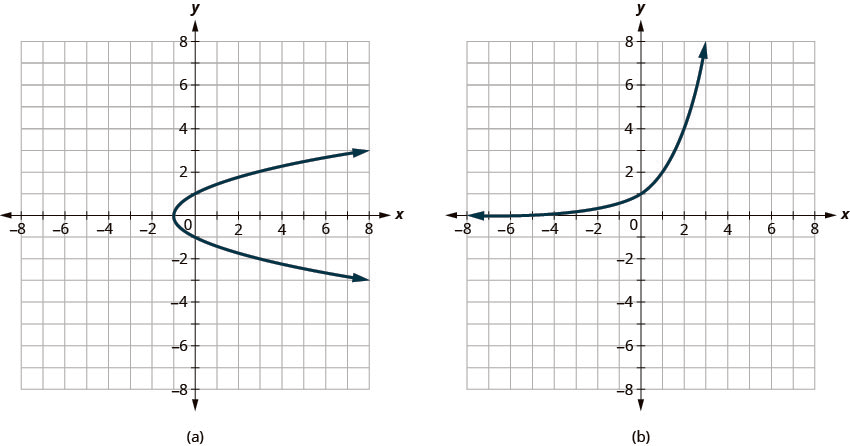
Answer
Try It 10.8 §10.1 source ↗
Determine whether each graph is the graph of a function and, if so, whether it is one-to-one.
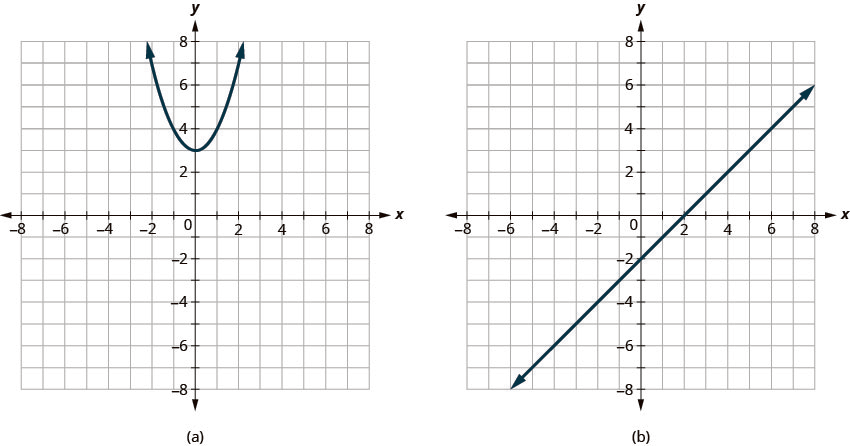
Answer
Try It 10.9 §10.1 source ↗
Answer
Try It 10.10 §10.1 source ↗
Answer
Try It 10.11 §10.1 source ↗
Graph, on the same coordinate system, the inverse of the one-to one function.
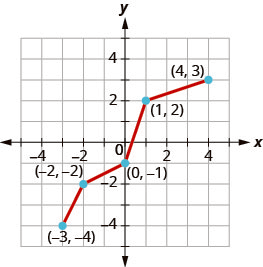
Answer
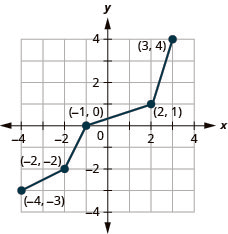
Try It 10.12 §10.1 source ↗
Graph, on the same coordinate system, the inverse of the one-to one function.
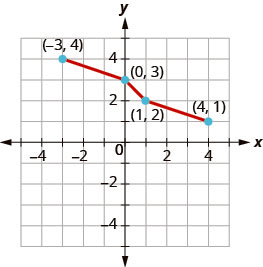
Answer
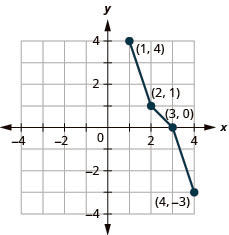
Try It 10.13 §10.1 source ↗
Verify that the functions are inverse functions.
and
Answer
Try It 10.14 §10.1 source ↗
Verify that the functions are inverse functions.
and
Answer
Try It 10.15 §10.1 source ↗
Answer
Try It 10.16 §10.1 source ↗
Answer
Try It 10.17 §10.1 source ↗
Answer
Try It 10.18 §10.1 source ↗
Answer
10.1-1 §10.1 source ↗
Find and Evaluate Composite Functions
In the following exercises, find ⓐ (f ∘ g)(x), ⓑ (g ∘ f)(x), and ⓒ (f · g)(x).
and
Answer
10.1-3 §10.1 source ↗
Find and Evaluate Composite Functions
In the following exercises, find ⓐ (f ∘ g)(x), ⓑ (g ∘ f)(x), and ⓒ (f · g)(x).
and
Answer
ⓒ
10.1-5 §10.1 source ↗
Find and Evaluate Composite Functions
In the following exercises, find ⓐ (f ∘ g)(x), ⓑ (g ∘ f)(x), and ⓒ (f · g)(x).
and
Answer
ⓒ
10.1-7 §10.1 source ↗
Find and Evaluate Composite Functions
In the following exercises, find ⓐ (f ∘ g)(x), ⓑ (g ∘ f)(x), and ⓒ (f · g)(x).
and
Answer
ⓒ
10.1-9 §10.1 source ↗
In the following exercises, find the values described.
For functions and find ⓐ ⓑ ⓒ
Answer
10.1-11 §10.1 source ↗
In the following exercises, find the values described.
For functions and find ⓐ ⓑ ⓒ
Answer
10.1-13 §10.1 source ↗
Determine Whether a Function is One-to-One
In the following exercises, determine if the set of ordered pairs represents a function and if so, is the function one-to-one.
,
Answer
10.1-15 §10.1 source ↗
Determine Whether a Function is One-to-One
In the following exercises, determine if the set of ordered pairs represents a function and if so, is the function one-to-one.
,
Answer
10.1-17 §10.1 source ↗
In the following exercises, determine whether each graph is the graph of a function and if so, is it one-to-one.
ⓐ
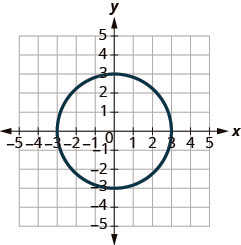
ⓑ
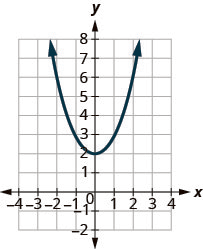
Answer
10.1-19 §10.1 source ↗
In the following exercises, determine whether each graph is the graph of a function and if so, is it one-to-one.
ⓐ
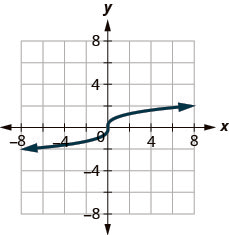
ⓑ
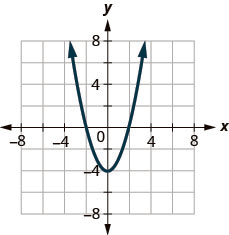
Answer
ⓑ Function; not one-to-one
10.1-21 §10.1 source ↗
In the following exercises, find the inverse of each function. Determine the domain and range of the inverse function.
Answer
10.1-23 §10.1 source ↗
In the following exercises, find the inverse of each function. Determine the domain and range of the inverse function.
Answer
10.1-25 §10.1 source ↗
In the following exercises, find the inverse of each function. Determine the domain and range of the inverse function.
Answer
10.1-27 §10.1 source ↗
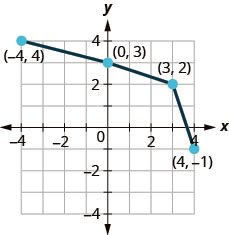
In the following exercises, graph, on the same coordinate system, the inverse of the one-to-one function shown.
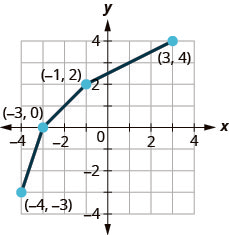
Answer
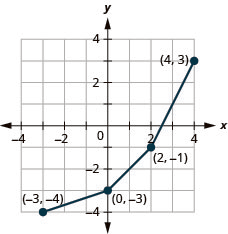
10.1-29 §10.1 source ↗
In the following exercises, graph, on the same coordinate system, the inverse of the one-to-one function shown.
Answer
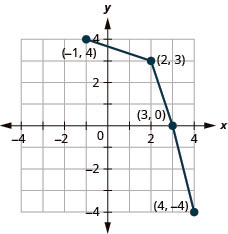
10.1-31 §10.1 source ↗
In the following exercises, determine whether or not the given functions are inverses.
and
Answer
10.1-33 §10.1 source ↗
In the following exercises, determine whether or not the given functions are inverses.
and
Answer
10.1-35 §10.1 source ↗
In the following exercises, determine whether or not the given functions are inverses.
and
Answer
10.1-37 §10.1 source ↗
In the following exercises, determine whether or not the given functions are inverses.
and
Answer
10.1-39 §10.1 source ↗
In the following exercises, find the inverse of each function.
Answer
10.1-41 §10.1 source ↗
In the following exercises, find the inverse of each function.
Answer
10.1-43 §10.1 source ↗
In the following exercises, find the inverse of each function.
Answer
10.1-45 §10.1 source ↗
In the following exercises, find the inverse of each function.
Answer
10.1-47 §10.1 source ↗
In the following exercises, find the inverse of each function.
Answer
10.1-49 §10.1 source ↗
In the following exercises, find the inverse of each function.
Answer
10.1-51 §10.1 source ↗
In the following exercises, find the inverse of each function.
Answer
10.1-53 §10.1 source ↗
In the following exercises, find the inverse of each function.
Answer
10.1-55 §10.1 source ↗
In the following exercises, find the inverse of each function.
Answer
10.1-57 §10.1 source ↗
In the following exercises, find the inverse of each function.
Answer
10.1-59 §10.1 source ↗
In the following exercises, find the inverse of each function.
Answer
10.1-61 §10.1 source ↗
In the following exercises, find the inverse of each function.
Answer
10.1-63 §10.1 source ↗
In the following exercises, find the inverse of each function.
Explain how the graph of the inverse of a function is related to the graph of the function.
Answer
Be Prepared 10.4 §10.2 source ↗
If you missed this problem, review Example 5.13.
Answer
Be Prepared 10.5 §10.2 source ↗
If you missed this problem, review Example 5.14.
Answer
Be Prepared 10.6 §10.2 source ↗
If you missed this problem, review Example 5.15.
Answer
Try It 10.19 §10.2 source ↗
Answer
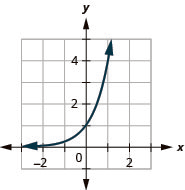
Try It 10.20 §10.2 source ↗
Answer
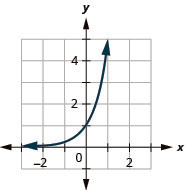
Try It 10.21 §10.2 source ↗
Answer
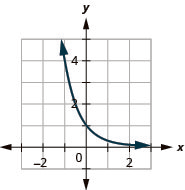
Try It 10.22 §10.2 source ↗
Answer
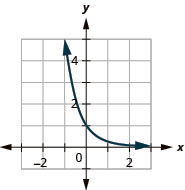
Try It 10.23 §10.2 source ↗
Answer
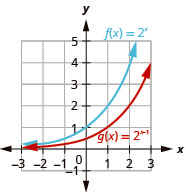
Try It 10.24 §10.2 source ↗
Answer
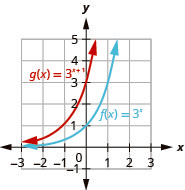
Try It 10.25 §10.2 source ↗
Answer
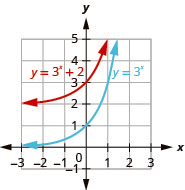
Try It 10.26 §10.2 source ↗
Answer
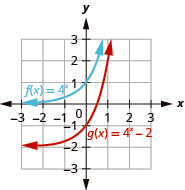
Try It 10.27 §10.2 source ↗
Answer
Try It 10.28 §10.2 source ↗
Answer
Try It 10.29 §10.2 source ↗
Answer
Try It 10.30 §10.2 source ↗
Answer
Try It 10.31 §10.2 source ↗
Angela invested in a savings account. If the interest rate is how much will be in the account in 10 years by each method of compounding?
ⓐ compound quarterly
ⓑ compound monthly
ⓒ compound continuously
Answer
ⓑ ⓒ
Try It 10.32 §10.2 source ↗
Allan invested $10,000 in a mutual fund. If the interest rate is how much will be in the account in 15 years by each method of compounding?
ⓐ compound quarterly
ⓑ compound monthly
ⓒ compound continuously
Answer
ⓒ $21,170.00
Try It 10.33 §10.2 source ↗
Answer
Try It 10.34 §10.2 source ↗
Answer
10.2-65 §10.2 source ↗
Graph Exponential Functions
In the following exercises, graph each exponential function.
Answer
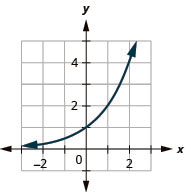
10.2-67 §10.2 source ↗
Graph Exponential Functions
In the following exercises, graph each exponential function.
Answer
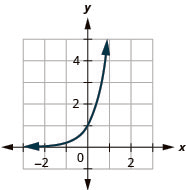
10.2-69 §10.2 source ↗
Graph Exponential Functions
In the following exercises, graph each exponential function.
Answer
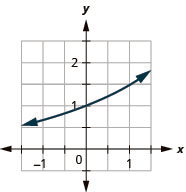
10.2-71 §10.2 source ↗
Graph Exponential Functions
In the following exercises, graph each exponential function.
Answer
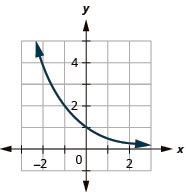
10.2-73 §10.2 source ↗
Graph Exponential Functions
In the following exercises, graph each exponential function.
Answer
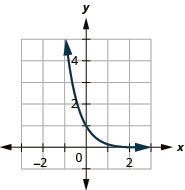
10.2-75 §10.2 source ↗
Graph Exponential Functions
In the following exercises, graph each exponential function.
Answer
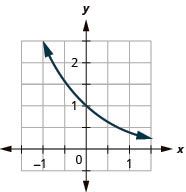
10.2-77 §10.2 source ↗
In the following exercises, graph each function in the same coordinate system.
Answer
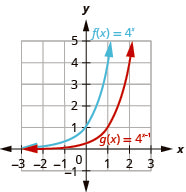
10.2-79 §10.2 source ↗
In the following exercises, graph each function in the same coordinate system.
Answer
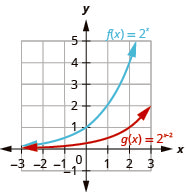
10.2-81 §10.2 source ↗
In the following exercises, graph each function in the same coordinate system.
Answer
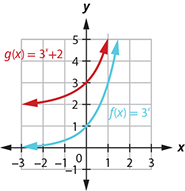
10.2-83 §10.2 source ↗
In the following exercises, graph each function in the same coordinate system.
Answer
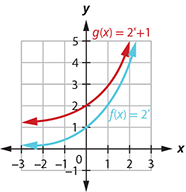
10.2-85 §10.2 source ↗
In the following exercises, graph each exponential function.
Answer
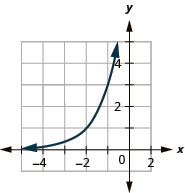
10.2-87 §10.2 source ↗
In the following exercises, graph each exponential function.
Answer
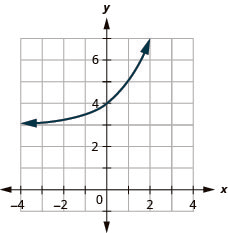
10.2-89 §10.2 source ↗
In the following exercises, graph each exponential function.
Answer
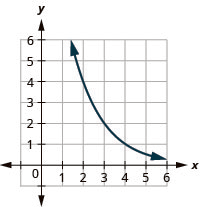
10.2-91 §10.2 source ↗
In the following exercises, graph each exponential function.
Answer
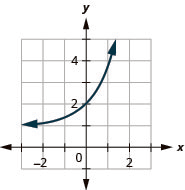
10.2-93 §10.2 source ↗
In the following exercises, graph each exponential function.
Answer
10.2-95 §10.2 source ↗
Solve Exponential Equations
In the following exercises, solve each equation.
Answer
10.2-97 §10.2 source ↗
Solve Exponential Equations
In the following exercises, solve each equation.
Answer
10.2-99 §10.2 source ↗
Solve Exponential Equations
In the following exercises, solve each equation.
Answer
10.2-101 §10.2 source ↗
Solve Exponential Equations
In the following exercises, solve each equation.
Answer
10.2-103 §10.2 source ↗
Solve Exponential Equations
In the following exercises, solve each equation.
Answer
10.2-105 §10.2 source ↗
Solve Exponential Equations
In the following exercises, solve each equation.
Answer
10.2-107 §10.2 source ↗
Solve Exponential Equations
In the following exercises, solve each equation.
Answer
10.2-109 §10.2 source ↗
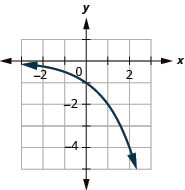
In the following exercises, match the graphs to one of the following functions: ⓐ ⓑ ⓒ ⓓ ⓔ ⓕ
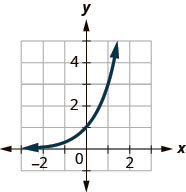
Answer
10.2-111 §10.2 source ↗
In the following exercises, match the graphs to one of the following functions: ⓐ ⓑ ⓒ ⓓ ⓔ ⓕ
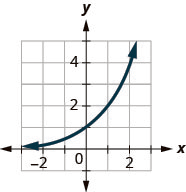
Answer
10.2-113 §10.2 source ↗
In the following exercises, match the graphs to one of the following functions: ⓐ ⓑ ⓒ ⓓ ⓔ ⓕ
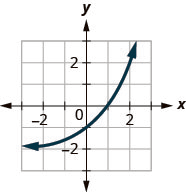
Answer
10.2-115 §10.2 source ↗
Use exponential models in applications
In the following exercises, use an exponential model to solve.
Edgar accumulated in credit card debt. If the interest rate is per year, and he does not make any payments for 2 years, how much will he owe on this debt in 2 years by each method of compounding? ⓐ compound quarterly ⓑ compound monthly ⓒ compound continuously
Answer
10.2-117 §10.2 source ↗
Use exponential models in applications
In the following exercises, use an exponential model to solve.
Rochelle deposits in an IRA. What will be the value of her investment in 25 years if the investment is earning per year and is compounded continuously?
Answer
10.2-119 §10.2 source ↗
Use exponential models in applications
In the following exercises, use an exponential model to solve.
A researcher at the Center for Disease Control and Prevention is studying the growth of a bacteria. He starts his experiment with 100 of the bacteria that grows at a rate of per hour. He will check on the bacteria every 8 hours. How many bacteria will he find in 8 hours?
Answer
10.2-121 §10.2 source ↗
Use exponential models in applications
In the following exercises, use an exponential model to solve.
In the last ten years the population of Indonesia has grown at a rate of per year to 258,316,051. If this rate continues, what will be the population in 10 more years?
Answer
10.2-123 §10.2 source ↗
Use exponential models in applications
In the following exercises, use an exponential model to solve.
Explain how you can distinguish between exponential functions and polynomial functions.
Answer
10.2-125 §10.2 source ↗
Use exponential models in applications
In the following exercises, use an exponential model to solve.
What happens to an exponential function as the values of decreases? Will the graph ever cross the
-axis? Explain.
Answer
Be Prepared 10.7 §10.3 source ↗
If you missed this problem, review Example 6.46.
Answer
Be Prepared 10.8 §10.3 source ↗
If you missed this problem, review Example 5.15.
Answer
Be Prepared 10.9 §10.3 source ↗
If you missed this problem, review Example 2.2.
Answer
Try It 10.35 §10.3 source ↗
Answer
ⓑ ⓒ
Try It 10.36 §10.3 source ↗
Answer
ⓑ ⓒ
Try It 10.37 §10.3 source ↗
Answer
ⓑ ⓒ
Try It 10.38 §10.3 source ↗
Answer
ⓒ
Try It 10.39 §10.3 source ↗
Answer
ⓐ ⓑ ⓒ
Try It 10.40 §10.3 source ↗
Answer
ⓐ
ⓑ ⓒ
Try It 10.41 §10.3 source ↗
Answer
2 ⓑ ⓒ
Try It 10.42 §10.3 source ↗
Answer
Try It 10.43 §10.3 source ↗
Answer
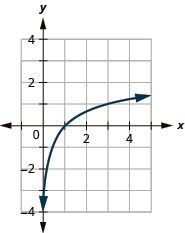
Try It 10.44 §10.3 source ↗
Answer
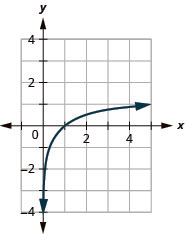
Try It 10.45 §10.3 source ↗
Answer
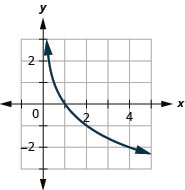
Try It 10.46 §10.3 source ↗
Answer
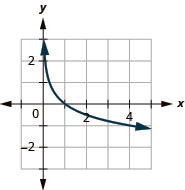
Try It 10.47 §10.3 source ↗
Answer
ⓐ
ⓑ
Try It 10.48 §10.3 source ↗
Answer
ⓐ
ⓑ
Try It 10.49 §10.3 source ↗
Answer
ⓐ
ⓑ
Try It 10.50 §10.3 source ↗
Answer
ⓐ
ⓑ
Try It 10.51 §10.3 source ↗
Answer
Try It 10.52 §10.3 source ↗
Answer
Try It 10.53 §10.3 source ↗
Answer
Try It 10.54 §10.3 source ↗
Answer
10.3-127 §10.3 source ↗
Convert Between Exponential and Logarithmic Form
In the following exercises, convert from exponential to logarithmic form.
Answer
10.3-129 §10.3 source ↗
Convert Between Exponential and Logarithmic Form
In the following exercises, convert from exponential to logarithmic form.
Answer
10.3-131 §10.3 source ↗
Convert Between Exponential and Logarithmic Form
In the following exercises, convert from exponential to logarithmic form.
Answer
10.3-133 §10.3 source ↗
Convert Between Exponential and Logarithmic Form
In the following exercises, convert from exponential to logarithmic form.
Answer
10.3-135 §10.3 source ↗
Convert Between Exponential and Logarithmic Form
In the following exercises, convert from exponential to logarithmic form.
Answer
10.3-137 §10.3 source ↗
Convert Between Exponential and Logarithmic Form
In the following exercises, convert from exponential to logarithmic form.
Answer
10.3-139 §10.3 source ↗
Convert Between Exponential and Logarithmic Form
In the following exercises, convert from exponential to logarithmic form.
Answer
10.3-141 §10.3 source ↗
Convert Between Exponential and Logarithmic Form
In the following exercises, convert from exponential to logarithmic form.
Answer
10.3-143 §10.3 source ↗
In the following exercises, convert each logarithmic equation to exponential form.
Answer
10.3-145 §10.3 source ↗
In the following exercises, convert each logarithmic equation to exponential form.
Answer
10.3-147 §10.3 source ↗
In the following exercises, convert each logarithmic equation to exponential form.
Answer
10.3-149 §10.3 source ↗
In the following exercises, convert each logarithmic equation to exponential form.
Answer
10.3-151 §10.3 source ↗
In the following exercises, convert each logarithmic equation to exponential form.
Answer
10.3-153 §10.3 source ↗
In the following exercises, convert each logarithmic equation to exponential form.
Answer
10.3-155 §10.3 source ↗
Evaluate Logarithmic Functions
In the following exercises, find the value of in each logarithmic equation.
Answer
10.3-157 §10.3 source ↗
Evaluate Logarithmic Functions
In the following exercises, find the value of in each logarithmic equation.
Answer
10.3-159 §10.3 source ↗
Evaluate Logarithmic Functions
In the following exercises, find the value of in each logarithmic equation.
Answer
10.3-161 §10.3 source ↗
Evaluate Logarithmic Functions
In the following exercises, find the value of in each logarithmic equation.
Answer
10.3-163 §10.3 source ↗
Evaluate Logarithmic Functions
In the following exercises, find the value of in each logarithmic equation.
Answer
10.3-165 §10.3 source ↗
Evaluate Logarithmic Functions
In the following exercises, find the value of in each logarithmic equation.
Answer
10.3-167 §10.3 source ↗
In the following exercises, find the exact value of each logarithm without using a calculator.
Answer
10.3-169 §10.3 source ↗
In the following exercises, find the exact value of each logarithm without using a calculator.
Answer
10.3-171 §10.3 source ↗
In the following exercises, find the exact value of each logarithm without using a calculator.
Answer
10.3-173 §10.3 source ↗
In the following exercises, find the exact value of each logarithm without using a calculator.
Answer
10.3-175 §10.3 source ↗
In the following exercises, find the exact value of each logarithm without using a calculator.
Answer
10.3-177 §10.3 source ↗
In the following exercises, find the exact value of each logarithm without using a calculator.
Answer
10.3-179 §10.3 source ↗
Graph Logarithmic Functions
In the following exercises, graph each logarithmic function.
Answer
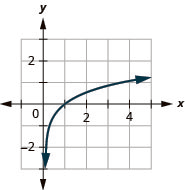
10.3-181 §10.3 source ↗
Graph Logarithmic Functions
In the following exercises, graph each logarithmic function.
Answer
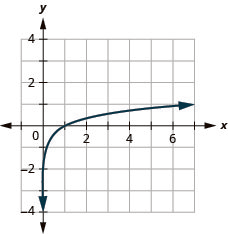
10.3-183 §10.3 source ↗
Graph Logarithmic Functions
In the following exercises, graph each logarithmic function.
Answer
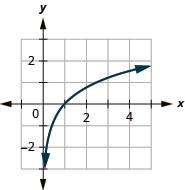
10.3-185 §10.3 source ↗
Graph Logarithmic Functions
In the following exercises, graph each logarithmic function.
Answer
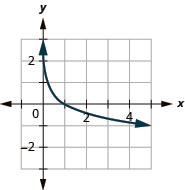
10.3-187 §10.3 source ↗
Graph Logarithmic Functions
In the following exercises, graph each logarithmic function.
Answer
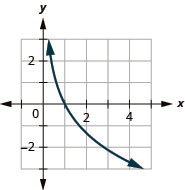
10.3-189 §10.3 source ↗
Solve Logarithmic Equations
In the following exercises, solve each logarithmic equation.
Answer
10.3-191 §10.3 source ↗
Solve Logarithmic Equations
In the following exercises, solve each logarithmic equation.
Answer
10.3-193 §10.3 source ↗
Solve Logarithmic Equations
In the following exercises, solve each logarithmic equation.
Answer
10.3-195 §10.3 source ↗
Solve Logarithmic Equations
In the following exercises, solve each logarithmic equation.
Answer
10.3-197 §10.3 source ↗
Solve Logarithmic Equations
In the following exercises, solve each logarithmic equation.
Answer
10.3-199 §10.3 source ↗
Solve Logarithmic Equations
In the following exercises, solve each logarithmic equation.
Answer
10.3-201 §10.3 source ↗
Solve Logarithmic Equations
In the following exercises, solve each logarithmic equation.
Answer
10.3-203 §10.3 source ↗
Solve Logarithmic Equations
In the following exercises, solve each logarithmic equation.
Answer
10.3-205 §10.3 source ↗
Solve Logarithmic Equations
In the following exercises, solve each logarithmic equation.
Answer
10.3-207 §10.3 source ↗
Solve Logarithmic Equations
In the following exercises, solve each logarithmic equation.
Answer
10.3-209 §10.3 source ↗
Use Logarithmic Models in Applications
In the following exercises, use a logarithmic model to solve.
What is the decibel level of a whisper with intensity watts per square inch?
Answer
10.3-211 §10.3 source ↗
Use Logarithmic Models in Applications
In the following exercises, use a logarithmic model to solve.
What is the decibel level of the sound of a garbage disposal with intensity watts per square inch?
Answer
10.3-213 §10.3 source ↗
Use Logarithmic Models in Applications
In the following exercises, use a logarithmic model to solve.
The Los Angeles area experiences many earthquakes. In 1994, the Northridge earthquake measured magnitude of on the Richter scale. In 2014, Los Angeles also experienced an earthquake which measured on the Richter scale. Compare the intensities of the two earthquakes.
Answer
10.3-215 §10.3 source ↗
Use Logarithmic Models in Applications
In the following exercises, use a logarithmic model to solve.
Explain the difference between common logarithms and natural logarithms.
Answer
10.3-217 §10.3 source ↗
Use Logarithmic Models in Applications
In the following exercises, use a logarithmic model to solve.
Explain how to find the on your calculator.
Answer
Be Prepared 10.10 §10.4 source ↗
If you missed this problem, review Example 5.14.
Answer
Be Prepared 10.11 §10.4 source ↗
If you missed this problem, review Example 8.27.
Answer
Be Prepared 10.12 §10.4 source ↗
If you missed this problem, review Example 1.34.
Answer
Try It 10.55 §10.4 source ↗
Answer
Try It 10.56 §10.4 source ↗
Answer
Try It 10.57 §10.4 source ↗
Answer
Try It 10.58 §10.4 source ↗
Answer
Try It 10.59 §10.4 source ↗
Use the Product Property of Logarithms to write each logarithm as a sum of logarithms. Simplify, if possible.
ⓐ ⓑ
Answer
ⓑ
Try It 10.60 §10.4 source ↗
Use the Product Property of Logarithms to write each logarithm as a sum of logarithms. Simplify, if possible.
ⓐ ⓑ
Answer
ⓑ
Try It 10.61 §10.4 source ↗
Use the Quotient Property of Logarithms to write each logarithm as a difference of logarithms. Simplify, if possible.
ⓐ ⓑ
Answer
Try It 10.62 §10.4 source ↗
Use the Quotient Property of Logarithms to write each logarithm as a difference of logarithms. Simplify, if possible.
ⓐ ⓑ
Answer
Try It 10.63 §10.4 source ↗
Use the Power Property of Logarithms to write each logarithm as a product of logarithms. Simplify, if possible.
ⓐ ⓑ
Answer
Try It 10.64 §10.4 source ↗
Use the Power Property of Logarithms to write each logarithm as a product of logarithms. Simplify, if possible.
ⓐ ⓑ
Answer
Try It 10.65 §10.4 source ↗
Answer
Try It 10.66 §10.4 source ↗
Answer
Try It 10.67 §10.4 source ↗
Answer
Try It 10.68 §10.4 source ↗
Answer
Try It 10.69 §10.4 source ↗
Answer
Try It 10.70 §10.4 source ↗
Answer
Try It 10.71 §10.4 source ↗
Answer
Try It 10.72 §10.4 source ↗
Answer
Try It 10.73 §10.4 source ↗
Answer
Try It 10.74 §10.4 source ↗
Answer
10.4-219 §10.4 source ↗
Use the Properties of Logarithms
In the following exercises, use the properties of logarithms to evaluate.
ⓐ ⓑ
Answer
10.4-221 §10.4 source ↗
Use the Properties of Logarithms
In the following exercises, use the properties of logarithms to evaluate.
ⓐ ⓑ
Answer
10.4-223 §10.4 source ↗
Use the Properties of Logarithms
In the following exercises, use the properties of logarithms to evaluate.
ⓐ ⓑ
Answer
10.4-225 §10.4 source ↗
Use the Properties of Logarithms
In the following exercises, use the properties of logarithms to evaluate.
ⓐ ⓑ
Answer
10.4-227 §10.4 source ↗
Use the Properties of Logarithms
In the following exercises, use the properties of logarithms to evaluate.
ⓐ ⓑ
Answer
10.4-229 §10.4 source ↗
In the following exercises, use the Product Property of Logarithms to write each logarithm as a sum of logarithms. Simplify if possible.
Answer
10.4-231 §10.4 source ↗
In the following exercises, use the Product Property of Logarithms to write each logarithm as a sum of logarithms. Simplify if possible.
Answer
10.4-233 §10.4 source ↗
In the following exercises, use the Product Property of Logarithms to write each logarithm as a sum of logarithms. Simplify if possible.
Answer
10.4-235 §10.4 source ↗
In the following exercises, use the Quotient Property of Logarithms to write each logarithm as a sum of logarithms. Simplify if possible.
Answer
10.4-237 §10.4 source ↗
In the following exercises, use the Quotient Property of Logarithms to write each logarithm as a sum of logarithms. Simplify if possible.
Answer
10.4-239 §10.4 source ↗
In the following exercises, use the Quotient Property of Logarithms to write each logarithm as a sum of logarithms. Simplify if possible.
Answer
10.4-241 §10.4 source ↗
In the following exercises, use the Quotient Property of Logarithms to write each logarithm as a sum of logarithms. Simplify if possible.
Answer
10.4-243 §10.4 source ↗
In the following exercises, use the Power Property of Logarithms to expand each. Simplify if possible.
Answer
10.4-245 §10.4 source ↗
In the following exercises, use the Power Property of Logarithms to expand each. Simplify if possible.
Answer
10.4-247 §10.4 source ↗
In the following exercises, use the Power Property of Logarithms to expand each. Simplify if possible.
Answer
10.4-249 §10.4 source ↗
In the following exercises, use the Power Property of Logarithms to expand each. Simplify if possible.
Answer
10.4-251 §10.4 source ↗
In the following exercises, use the Properties of Logarithms to expand the logarithm. Simplify if possible.
Answer
10.4-253 §10.4 source ↗
In the following exercises, use the Properties of Logarithms to expand the logarithm. Simplify if possible.
Answer
10.4-255 §10.4 source ↗
In the following exercises, use the Properties of Logarithms to expand the logarithm. Simplify if possible.
Answer
10.4-257 §10.4 source ↗
In the following exercises, use the Properties of Logarithms to expand the logarithm. Simplify if possible.
Answer
10.4-259 §10.4 source ↗
In the following exercises, use the Properties of Logarithms to expand the logarithm. Simplify if possible.
Answer
10.4-261 §10.4 source ↗
In the following exercises, use the Properties of Logarithms to expand the logarithm. Simplify if possible.
Answer
10.4-263 §10.4 source ↗
In the following exercises, use the Properties of Logarithms to condense the logarithm. Simplify if possible.
Answer
10.4-265 §10.4 source ↗
In the following exercises, use the Properties of Logarithms to condense the logarithm. Simplify if possible.
Answer
10.4-267 §10.4 source ↗
In the following exercises, use the Properties of Logarithms to condense the logarithm. Simplify if possible.
Answer
10.4-269 §10.4 source ↗
In the following exercises, use the Properties of Logarithms to condense the logarithm. Simplify if possible.
Answer
10.4-271 §10.4 source ↗
In the following exercises, use the Properties of Logarithms to condense the logarithm. Simplify if possible.
Answer
10.4-273 §10.4 source ↗
In the following exercises, use the Properties of Logarithms to condense the logarithm. Simplify if possible.
Answer
10.4-275 §10.4 source ↗
In the following exercises, use the Properties of Logarithms to condense the logarithm. Simplify if possible.
Answer
10.4-277 §10.4 source ↗
In the following exercises, use the Properties of Logarithms to condense the logarithm. Simplify if possible.
Answer
10.4-279 §10.4 source ↗
Use the Change-of-Base Formula
In the following exercises, use the Change-of-Base Formula, rounding to three decimal places, to approximate each logarithm.
Answer
10.4-281 §10.4 source ↗
Use the Change-of-Base Formula
In the following exercises, use the Change-of-Base Formula, rounding to three decimal places, to approximate each logarithm.
Answer
10.4-283 §10.4 source ↗
Use the Change-of-Base Formula
In the following exercises, use the Change-of-Base Formula, rounding to three decimal places, to approximate each logarithm.
Answer
10.4-285 §10.4 source ↗
Use the Change-of-Base Formula
In the following exercises, use the Change-of-Base Formula, rounding to three decimal places, to approximate each logarithm.
Write the Power Property in your own words. Does it apply to each of the following? Why or why not?
Answer
10.4-287 §10.4 source ↗
Use the Change-of-Base Formula
In the following exercises, use the Change-of-Base Formula, rounding to three decimal places, to approximate each logarithm.
Explain how to find the value of using your calculator.
Answer
Be Prepared 10.13 §10.5 source ↗
If you missed this problem, review Example 6.46.
Answer
Be Prepared 10.14 §10.5 source ↗
If you missed this problem, review Example 6.45.
Answer
Be Prepared 10.15 §10.5 source ↗
If you missed this problem, review Example 6.47.
Answer
Try It 10.75 §10.5 source ↗
Answer
Try It 10.76 §10.5 source ↗
Answer
Try It 10.77 §10.5 source ↗
Answer
Try It 10.78 §10.5 source ↗
Answer
Try It 10.79 §10.5 source ↗
Answer
Try It 10.80 §10.5 source ↗
Answer
Try It 10.81 §10.5 source ↗
Answer
Try It 10.82 §10.5 source ↗
Answer
Try It 10.83 §10.5 source ↗
Answer
Try It 10.84 §10.5 source ↗
Answer
Try It 10.85 §10.5 source ↗
Answer
Try It 10.86 §10.5 source ↗
Answer
Try It 10.87 §10.5 source ↗
Answer
Try It 10.88 §10.5 source ↗
Answer
Try It 10.89 §10.5 source ↗
Answer
Try It 10.90 §10.5 source ↗
Answer
10.5-289 §10.5 source ↗
Solve Logarithmic Equations Using the Properties of Logarithms
In the following exercises, solve for x.
Answer
10.5-291 §10.5 source ↗
Solve Logarithmic Equations Using the Properties of Logarithms
In the following exercises, solve for x.
Answer
10.5-293 §10.5 source ↗
Solve Logarithmic Equations Using the Properties of Logarithms
In the following exercises, solve for x.
Answer
10.5-295 §10.5 source ↗
Solve Logarithmic Equations Using the Properties of Logarithms
In the following exercises, solve for x.
Answer
10.5-297 §10.5 source ↗
Solve Logarithmic Equations Using the Properties of Logarithms
In the following exercises, solve for x.
Answer
10.5-299 §10.5 source ↗
Solve Logarithmic Equations Using the Properties of Logarithms
In the following exercises, solve for x.
Answer
10.5-301 §10.5 source ↗
Solve Logarithmic Equations Using the Properties of Logarithms
In the following exercises, solve for x.
Answer
10.5-303 §10.5 source ↗
Solve Logarithmic Equations Using the Properties of Logarithms
In the following exercises, solve for x.
Answer
10.5-305 §10.5 source ↗
Solve Logarithmic Equations Using the Properties of Logarithms
In the following exercises, solve for x.
Answer
10.5-307 §10.5 source ↗
Solve Exponential Equations Using Logarithms
In the following exercises, solve each exponential equation. Find the exact answer and then approximate it to three decimal places.
Answer
10.5-309 §10.5 source ↗
Solve Exponential Equations Using Logarithms
In the following exercises, solve each exponential equation. Find the exact answer and then approximate it to three decimal places.
Answer
10.5-311 §10.5 source ↗
Solve Exponential Equations Using Logarithms
In the following exercises, solve each exponential equation. Find the exact answer and then approximate it to three decimal places.
Answer
10.5-313 §10.5 source ↗
Solve Exponential Equations Using Logarithms
In the following exercises, solve each exponential equation. Find the exact answer and then approximate it to three decimal places.
Answer
10.5-315 §10.5 source ↗
Solve Exponential Equations Using Logarithms
In the following exercises, solve each exponential equation. Find the exact answer and then approximate it to three decimal places.
Answer
10.5-317 §10.5 source ↗
Solve Exponential Equations Using Logarithms
In the following exercises, solve each exponential equation. Find the exact answer and then approximate it to three decimal places.
Answer
10.5-319 §10.5 source ↗
Solve Exponential Equations Using Logarithms
In the following exercises, solve each exponential equation. Find the exact answer and then approximate it to three decimal places.
Answer
10.5-321 §10.5 source ↗
Solve Exponential Equations Using Logarithms
In the following exercises, solve each exponential equation. Find the exact answer and then approximate it to three decimal places.
Answer
10.5-323 §10.5 source ↗
In the following exercises, solve each equation.
Answer
10.5-325 §10.5 source ↗
In the following exercises, solve each equation.
Answer
10.5-327 §10.5 source ↗
In the following exercises, solve each equation.
Answer
10.5-329 §10.5 source ↗
In the following exercises, solve each equation.
Answer
10.5-331 §10.5 source ↗
In the following exercises, solve each equation.
Answer
10.5-333 §10.5 source ↗
In the following exercises, solve each equation.
Answer
10.5-335 §10.5 source ↗
In the following exercises, solve each equation.
Answer
10.5-337 §10.5 source ↗
In the following exercises, solve each equation.
Answer
10.5-339 §10.5 source ↗
In the following exercises, solve each equation.
Answer
10.5-341 §10.5 source ↗
In the following exercises, solve for x, giving an exact answer as well as an approximation to three decimal places.
Answer
10.5-343 §10.5 source ↗
In the following exercises, solve for x, giving an exact answer as well as an approximation to three decimal places.
Answer
10.5-345 §10.5 source ↗
Use Exponential Models in Applications
In the following exercises, solve.
Alice invests at age 30 from the signing bonus of her new job. She hopes the investments will be worth when she turns 40. If the interest compounds continuously, approximately what rate of growth will she need to achieve her goal?
Answer
10.5-347 §10.5 source ↗
Use Exponential Models in Applications
In the following exercises, solve.
Simone invests in an account that compounds interest quarterly and earns How long will it take for his money to double?
Answer
10.5-349 §10.5 source ↗
Use Exponential Models in Applications
In the following exercises, solve.
Researchers recorded that a certain bacteria population declined from 800,000 to 500,000 in 6 hours after the administration of medication. At this rate of decay, how many bacteria will there be in 24 hours?
Answer
10.5-351 §10.5 source ↗
Use Exponential Models in Applications
In the following exercises, solve.
A bacteria doubles its original population in 24 hours How big will its population be in 72 hours?
Answer
10.5-353 §10.5 source ↗
Use Exponential Models in Applications
In the following exercises, solve.
Radioactive technetium-99m is often used in diagnostic medicine as it has a relatively short half-life but lasts long enough to get the needed testing done on the patient. If its half-life is 6 hours, how much of the radioactive material form a 0.5 ml injection will be in the body in 24 hours?
Answer
10.5-355 §10.5 source ↗
Use Exponential Models in Applications
In the following exercises, solve.
What is the difference between the equation for exponential growth versus the equation for exponential decay?
Answer
10.R-357 §10.R source ↗
Find and Evaluate Composite Functions
In the following exercises, for each pair of functions, find ⓐ (f ∘ g)(x), ⓑ (g ∘ f)(x), and ⓒ (f · g)(x).
and
Answer
10.R-359 §10.R source ↗
In the following exercises, evaluate the composition.
For functions
and
find
ⓐ
ⓑ
ⓒ
Answer
10.R-361 §10.R source ↗
Determine Whether a Function is One-to-One
In the following exercises, for each set of ordered pairs, determine if it represents a function and if so, is the function one-to-one.
Answer
10.R-363 §10.R source ↗
In the following exercises, determine whether each graph is the graph of a function and if so, is it one-to-one.
ⓐ
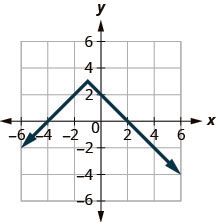
ⓑ
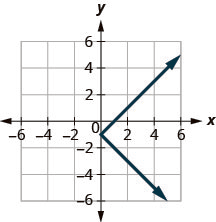
Answer
10.R-365 §10.R source ↗
Find the Inverse of a Function
In the following exercise, find the inverse of the function. Determine the domain and range of the inverse function.
Answer
10.R-367 §10.R source ↗
In the following exercises, verify that the functions are inverse functions.
and
Answer
10.R-369 §10.R source ↗
In the following exercises, find the inverse of each function.
Answer
10.R-371 §10.R source ↗
In the following exercises, find the inverse of each function.
Answer
10.R-373 §10.R source ↗
Graph Exponential Functions
In the following exercises, graph each of the following functions.
Answer
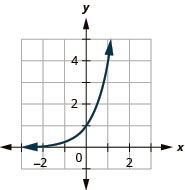
10.R-375 §10.R source ↗
Graph Exponential Functions
In the following exercises, graph each of the following functions.
Answer
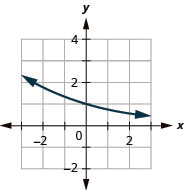
10.R-377 §10.R source ↗
Graph Exponential Functions
In the following exercises, graph each of the following functions.
Answer
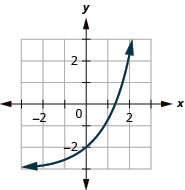
10.R-379 §10.R source ↗
Graph Exponential Functions
In the following exercises, graph each of the following functions.
Answer
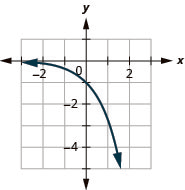
10.R-381 §10.R source ↗
Solve Exponential Equations
In the following exercises, solve each equation.
Answer
10.R-383 §10.R source ↗
Solve Exponential Equations
In the following exercises, solve each equation.
Answer
10.R-385 §10.R source ↗
Solve Exponential Equations
In the following exercises, solve each equation.
Answer
10.R-387 §10.R source ↗
Use Exponential Models in Applications
In the following exercises, solve.
Sayed deposits in an investment account. What will be the value of his investment in 30 years if the investment is earning per year and is compounded continuously?
Answer
10.R-389 §10.R source ↗
Use Exponential Models in Applications
In the following exercises, solve.
In the last five years the population of the United States has grown at a rate of per year to about 318,900,000. If this rate continues, what will be the population in 5 more years?
Answer
10.R-391 §10.R source ↗
Convert Between Exponential and Logarithmic Form
In the following exercises, convert from exponential to logarithmic form.
Answer
10.R-393 §10.R source ↗
Convert Between Exponential and Logarithmic Form
In the following exercises, convert from exponential to logarithmic form.
Answer
10.R-395 §10.R source ↗
In the following exercises, convert each logarithmic equation to exponential form.
Answer
10.R-397 §10.R source ↗
Evaluate Logarithmic Functions
In the following exercises, solve for x.
Answer
10.R-399 §10.R source ↗
Evaluate Logarithmic Functions
In the following exercises, solve for x.
Answer
10.R-401 §10.R source ↗
In the following exercises, find the exact value of each logarithm without using a calculator.
Answer
10.R-403 §10.R source ↗
Graph Logarithmic Functions
In the following exercises, graph each logarithmic function.
Answer
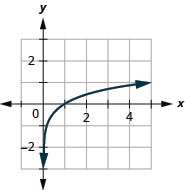
10.R-405 §10.R source ↗
Graph Logarithmic Functions
In the following exercises, graph each logarithmic function.
Answer
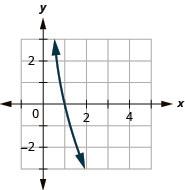
10.R-407 §10.R source ↗
Solve Logarithmic Equations
In the following exercises, solve each logarithmic equation.
Answer
10.R-409 §10.R source ↗
Solve Logarithmic Equations
In the following exercises, solve each logarithmic equation.
Answer
10.R-411 §10.R source ↗
Use Logarithmic Models in Applications
What is the decibel level of a train whistle with intensity watts per square inch?
Answer
10.R-413 §10.R source ↗
Use the Properties of Logarithms
In the following exercises, use the properties of logarithms to evaluate.
ⓐ ⓑ
Answer
10.R-415 §10.R source ↗
Use the Properties of Logarithms
In the following exercises, use the properties of logarithms to evaluate.
ⓐ ⓑ
Answer
10.R-417 §10.R source ↗
In the following exercises, use the Product Property of Logarithms to write each logarithm as a sum of logarithms. Simplify if possible.
Answer
10.R-419 §10.R source ↗
In the following exercises, use the Quotient Property of Logarithms to write each logarithm as a sum of logarithms. Simplify, if possible.
Answer
10.R-421 §10.R source ↗
In the following exercises, use the Power Property of Logarithms to expand each logarithm. Simplify, if possible.
Answer
10.R-423 §10.R source ↗
In the following exercises, use properties of logarithms to write each logarithm as a sum of logarithms. Simplify if possible.
Answer
10.R-425 §10.R source ↗
In the following exercises, use properties of logarithms to write each logarithm as a sum of logarithms. Simplify if possible.
Answer
10.R-427 §10.R source ↗
In the following exercises, use the Properties of Logarithms to condense the logarithm. Simplify if possible.
Answer
10.R-429 §10.R source ↗
In the following exercises, use the Properties of Logarithms to condense the logarithm. Simplify if possible.
Answer
10.R-431 §10.R source ↗
Use the Change-of-Base Formula
In the following exercises, rounding to three decimal places, approximate each logarithm.
Answer
10.R-433 §10.R source ↗
Solve Logarithmic Equations Using the Properties of Logarithms
In the following exercises, solve for x.
Answer
10.R-435 §10.R source ↗
Solve Logarithmic Equations Using the Properties of Logarithms
In the following exercises, solve for x.
Answer
10.R-437 §10.R source ↗
Solve Exponential Equations Using Logarithms
In the following exercises, solve each exponential equation. Find the exact answer and then approximate it to three decimal places.
Answer
10.R-439 §10.R source ↗
Solve Exponential Equations Using Logarithms
In the following exercises, solve each exponential equation. Find the exact answer and then approximate it to three decimal places.
Answer
10.R-441 §10.R source ↗
Solve Exponential Equations Using Logarithms
In the following exercises, solve each exponential equation. Find the exact answer and then approximate it to three decimal places.
Answer
10.R-443 §10.R source ↗
Use Exponential Models in Applications
Elise invests in an account that compounds interest monthly and earns How long will it take for her money to double?
Answer
10.R-445 §10.R source ↗
Use Exponential Models in Applications
Mouse populations can double in 8 months How long will it take for a mouse population to triple?
Answer
10.T-447 §10.T source ↗
Answer
ⓒ
10.T-449 §10.T source ↗
Determine whether each graph is the graph of a function and if so, is it one-to-one.
ⓐ
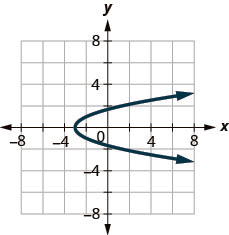
ⓑ
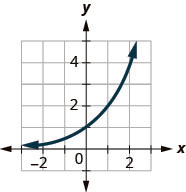
Answer
10.T-451 §10.T source ↗
Answer
10.T-453 §10.T source ↗
Answer
10.T-455 §10.T source ↗
ⓐ compound quarterly
ⓑ compound monthly
ⓒ compound continuously.
Answer
10.T-457 §10.T source ↗
Answer
10.T-459 §10.T source ↗
Answer
10.T-461 §10.T source ↗
Answer
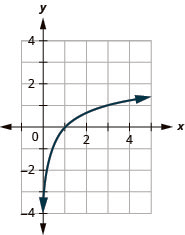
10.T-463 §10.T source ↗
Answer
10.T-465 §10.T source ↗
In the following exercises, use properties of logarithms to write each expression as a sum of logarithms, simplifying if possible.
Answer
10.T-467 §10.T source ↗
In the following exercises, use properties of logarithms to write each expression as a sum of logarithms, simplifying if possible.
Answer
10.T-469 §10.T source ↗
In the following exercises, use the Properties of Logarithms to condense the logarithm, simplifying if possible.
Answer
10.T-471 §10.T source ↗
In the following exercises, use the Properties of Logarithms to condense the logarithm, simplifying if possible.
Solve for x:
Answer
10.T-473 §10.T source ↗
In the following exercises, solve each exponential equation. Find the exact answer and then approximate it to three decimal places.
Answer
10.T-475 §10.T source ↗
In the following exercises, solve each exponential equation. Find the exact answer and then approximate it to three decimal places.
Researchers recorded that a certain bacteria population grew from 500 to 700 in 5 hours. At this rate of growth, how many bacteria will there be in 20 hours?
Answer
Loading chapter 11…
Problems and answers are adapted from Intermediate Algebra 2e by Lynn Marecek and Andrea Honeycutt Mathis, OpenStax, and are used under the CC BY-NC-SA 4.0 licence. Access for free at https://openstax.org/books/intermediate-algebra-2e/pages/1-introduction. Illustrations: Copyright Rice University, OpenStax, under CC BY-NC-SA 4.0 license. This adaptation is released under the same licence, is non-commercial, and is neither affiliated with nor endorsed by OpenStax or Rice University.